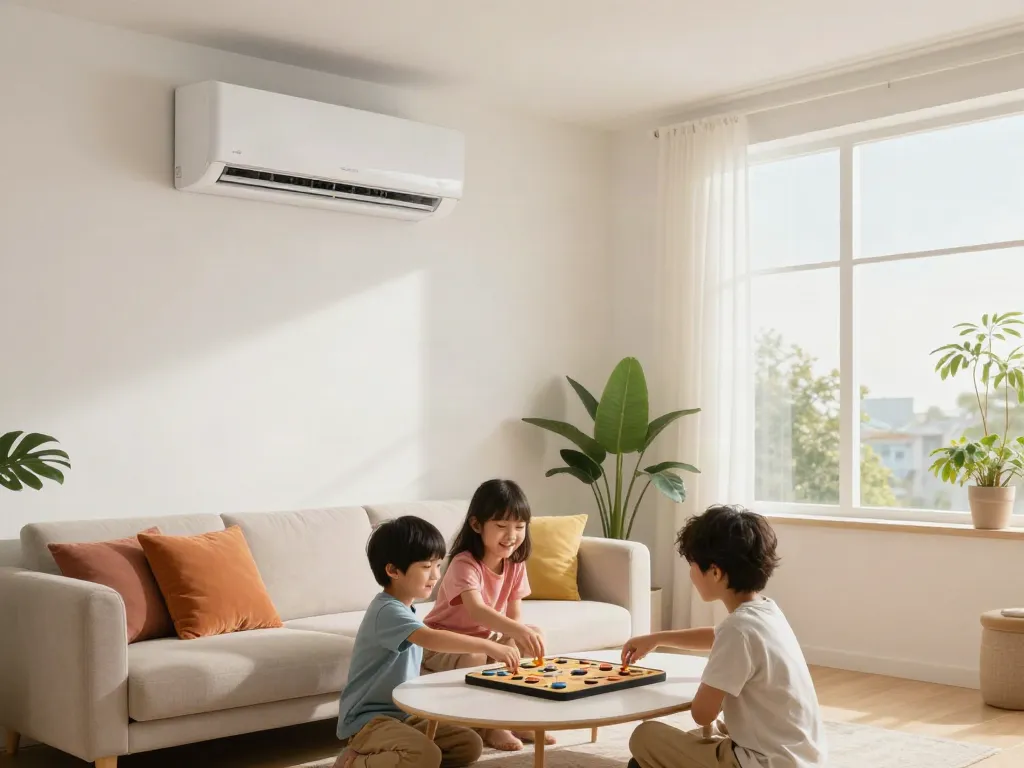
Understanding Ductless AC Systems
Ductless air conditioning (AC) systems, commonly known as mini-split systems, are gaining immense popularity among homeowners seeking efficient and versatile cooling solutions. Unlike traditional air conditioning systems that rely on ductwork to distribute cooled air, ductless AC systems utilize an outdoor compressor and one or several indoor air-handling units linked by refrigerant lines. This innovative design not only allows for easy installation in homes without existing ductwork but also provides superior energy efficiency and flexibility. When exploring options, ductless ac offers comprehensive insights into models and features tailored to fit various spaces and needs.
What is a Ductless AC?
A ductless AC system is a heating and cooling solution that operates without the need for ducts, making it a perfect choice for homes that lack extensive ventilation or for room additions. It typically consists of an outdoor unit that houses the compressor and expansion valve and one or more indoor units that distribute the conditioned air. The indoor units can be mounted on walls, ceilings, or floors, allowing for flexibility in design and installation. This type of system is often referred to as a mini-split AC due to its split design that separates the indoor and outdoor components.
Benefits of Ductless AC Over Traditional Systems
- Energy Efficiency: Ductless systems typically have higher Seasonal Energy Efficiency Ratios (SEER), meaning they use less energy compared to traditional central AC systems.
- Flexible Installation: These systems can be installed in almost any space, making them ideal for renovations or new constructions without ductwork.
- Zone Control: Ductless ACs offer zone cooling, allowing homeowners to control the temperature of individual rooms independently, which can lead to significant energy savings.
- Reduced Noise: They operate more quietly than central systems since the loud compressor is located outside, reducing indoor noise levels.
Key Features to Look For
When selecting a ductless AC system, consider features such as:
- Inverter Technology: This technology allows for variable speed operation, optimizing energy use and maintaining stable temperatures.
- Multiple Indoor Units: Some models support multiple indoor units connected to a single outdoor unit, allowing for greater flexibility and customization.
- Smart Home Integration: Look for systems compatible with smart home technologies for enhanced control and monitoring.
Installation Considerations for Ductless AC
Installing a ductless AC system requires careful planning to ensure optimal performance and efficiency. Different considerations need to be addressed, such as whether to hire a professional or take on the installation as a DIY project.
Professional Installation vs. DIY
While ductless AC systems can be installed as a DIY project, it is often advantageous to hire a professional. Expert installation ensures proper refrigerant charging, electrical connections, and unit placement, which can significantly impact overall system performance. Additionally, professionals can provide insights into the best system configuration for your specific home layout.
Optimal Placement in Your Home
The placement of the indoor units plays a crucial role in the effectiveness of a ductless AC system. Ideally, units should be installed high on walls to allow for better airflow and to lessen noise disturbances. Furthermore, they should be strategically located to enhance overall cooling efficiency within the room.
Cost Factors in Installation
The cost of installing a ductless AC system varies based on factors such as the number of indoor units, the complexity of the installation, and local labor rates. Generally, you can expect installation costs to range from $1,500 to $5,000, depending on your specific requirements and chosen model.
Maintenance Tips for Ductless AC Units
Maintaining your ductless AC system is essential for its longevity and efficiency. Regular upkeep not only ensures comfort but also helps in reducing energy costs.
Regular Cleaning and Filter Replacement
Indoor units of ductless AC systems feature air filters that should be cleaned or replaced every few months, depending on usage and air quality. Keeping the filters clean enhances air quality and system efficiency.
Troubleshooting Common Issues
Common issues that may arise with ductless AC systems include inadequate cooling, strange noises, or inconsistent airflow. Often, these problems can be resolved by checking filters, ensuring that unit settings are correct, or inspecting for any visible obstructions.
When to Call a Professional
If you encounter persistent problems that troubleshooting cannot resolve, it is advisable to contact a professional HVAC technician. Issues such as refrigerant leaks or electrical problems should always be handled by qualified personnel to avoid further damage or safety hazards.
Energy Efficiency and Ductless AC
Energy efficiency is a critical factor for many homeowners considering ductless AC systems. Understanding the specifics will help you maximize savings and optimize performance.
Understanding SEER Ratings
SEER (Seasonal Energy Efficiency Ratio) ratings measure the cooling output of air conditioning units relative to the energy they consume. Higher SEER ratings indicate more energy-efficient units. For instance, a unit with a SEER of 20 will use significantly less electricity than one rated at 14, leading to lower energy bills.
How to Maximize Energy Savings
To improve energy savings, consider setting the thermostat to a higher temperature during the summer months, regularly cleaning the filters, and ensuring that doors and windows are sealed properly to prevent air leaks. Additionally, utilizing the programming features on smart units can help manage energy use effectively.
Comparing Energy Costs with Other Systems
When compared to traditional centralized AC systems, ductless AC systems can provide substantial savings on energy costs. Homeowners often report lower monthly bills due to the efficient operation of these systems and their ability to cool only the spaces in use.
Future Trends in Ductless AC Technology
As we look toward the future, ductless AC technology continues to evolve, with several exciting trends on the horizon that promise to enhance performance and user experience.
Smart Ductless AC Features in 2026
The integration of smart technology in ductless AC systems is set to expand, allowing for advanced features such as remote access via smartphone apps, energy usage tracking, and automatic adjustments based on real-time data. Such advancements will contribute to even greater energy savings and convenience.
Innovations in Energy Efficiency
Innovations such as improved refrigerants, advanced inverter technology, and enhanced heat exchange processes will further boost the efficiency of ductless AC systems, making them more eco-friendly and cost-effective for users. Manufacturers are increasingly focusing on sustainability as a key aspect of system design.
Market Growth and Consumer Preferences
The ductless AC market is projected to grow significantly over the coming years, driven by increased consumer awareness of energy efficiency and the rising demand for versatile heating and cooling solutions. Homeowners are increasingly opting for ductless systems due to their flexibility and efficiency, indicating a shift in preferences away from traditional HVAC systems.
What are the Benefits of Ductless AC Systems?
Ductless AC systems provide numerous benefits beyond just cooling capabilities. They offer enhanced control over indoor climate, reduced installation costs in certain situations since ductwork is unnecessary, and greater energy savings compared to traditional systems. Additionally, they enhance air quality by providing a consistent flow of fresh, filtered air.
How Do I Choose the Right Ductless AC for My Home?
Choosing the right ductless AC unit for your home involves considering factors like the size of the space, the unit's BTU (British Thermal Unit) rating, and desired features such as heating capabilities and smart technology. Consulting with a HVAC professional can help ensure you select a unit that meets your specific needs effectively.
Can Ductless AC Systems Heat as Well?
Yes, many ductless AC systems are designed to provide both cooling and heating, making them an excellent all-in-one climate control solution. These systems typically use heat pump technology to extract heat from the outdoors in the winter, effectively warming your living spaces.
What are Common Myths about Ductless AC?
Common myths surrounding ductless AC systems include the misconception that they are not powerful enough to cool larger homes or that they require extensive maintenance. In reality, ductless systems can handle a range of space sizes effectively, and regular maintenance is relatively simple and can be performed by homeowners.
How do Ductless Systems Compare to Central AC?
Compared to central AC systems, ductless units often provide greater flexibility, increased energy efficiency, and lower installation costs for homes without ductwork. They also allow for zoned heating and cooling, catering to individual preferences in different rooms of the house.